Pages

6.22.2011

Pork Belly Risotto


When you think about it, eating the “belly” of things doesn’t spark much appetite.  Throw PORK right before it and now we’re talking some serious sh**.  We eat pork belly all the time in the form of bacon, which we consume on a daily basis as Americans, but why not eat the belly as a feature?  Usually, one goes out to so and so bistro or famous NYC chef’s hoppin’ eatery to sink their teeth into hunks of this salted fat. Why not try preparing it at home?  It’s pretty easy.  Keep in mind though that all good things take time.  There is no reason to rush here.  Make a sh**-ton and freeze it… like 6 pounds at a time.

There are two methods that I have tried over the years.  Both worked out very well, but yielded different results.  The “Momofuku style”  Is very straight forward and much easier, but is not as refined as Thomas Keller’s confit version featured in Ad Hock at Home.  Pick up these books, they’re pretty f-ing sweet. 

Let’s start with TK’s version (I won’t post the recipe though, unfair ya know????):

The term confit refers to cooking things in their own fat.  I bet Ina Garten thrown in a braising pan would make some serious confit. Luckily, pork belly has tons-o-fat to confit itself in, but you must start it in fat. Preferably rendered pork fat from a previous batch or purchased. To use duck fat or vegetable oil would work too.  To make the things taste better, go for the brine.  A simple salt water solution increases moisture retention AND flavor.  Add a bit of sugar, your favorite herbs and spices… now we’re in the zone dudes/bros.
 

I go for a simple ratio:  for every 2 qt of liquid, use ½ cup kosher salt and ¼ cup sugar.  Throw in fresh herbs, chili flake and garlic.  Dissolve the sugar and salt in a small amount of hot tap water, then top it off to just above the 2 qt mark with cold water (or apple juice, maybe some wine and water, see where in going?).  Throw in your skinless belly and brine for no more than 12 hours (if you have a thick piece, say… more that 1 ½”, tack on a few more hours.    Remove, rinse and cover with the melted fat.  Bake covered @ 225 for 5-6 hours (yeah, that long!).  Low and slow is the game here.  No rushing!!!! You lose too much fat when cooked quickly.  Shrinkage is bad, “I was in the pool! I was in the pool!” (Seinfeld anyone?)   

Let the belly rest until room temp and store in the fat under refrigeration if not using right away.  Cut into desired pieces, sear fat side down until golden brown, and serve that on something yummy, like risotto????  How about a slow poached egg with that?  Sure!   


Here's how the big boy chefs do it.  For a fancy term, call them 62 degree eggs, Celsius that is.  Fill up a sauce pot with warm tap water.  Put in a few eggs and put it over a very, very low flame until the temp reaches exactly 62 degrees C/144 degrees F.  Start your watch and count 45 minutes, maintaining that temp, exactly .  Cool down until ready to use.  Reheat in warm water.  Why?  Cuz it makes da egg xtra tenda yo!

For David Chang’s version, take your belly and use a 50/50 sugar/salt mixture and rub it down, covering all sides.  Let is sit in the fridge for 6 hours.  Rinse and roast at 450 for 45 minutes, then turn down the heat to 300 and continue for another hour.  The belly will get SUPER caramelized and slightly burnt, goody.  Chang suggests using a pan that just fits the belly, but has high sides to it sorta kinda confits itself, but it seems more like a fatty braise to me, if there were such a thing. 

Let the bi*ch cool until cold, slice and make his pork buns.  Quit your day job, collect welfare and make pork buns all day, everyday.  Screw responsibility; eat pork.

1.16.2011

Dude, seriously...


"This f-ing bread is incredible."  -  The words I spoke when I tasted my first loaf out of a new book I picked up this weekend: Tartine Bread by Chad Robertson.  I came across it at the bookstore admits a few hundred other baking books.  The loaf on the cover caught my eye.  It looked legit, so I started flipping through.  First thing I noticed, TONS of step-by-step photography. To me, this is key in the success of repeating someone's process.  The next thing, the formulas are in grams instead of cups, which won me over immediately.  This dude and his wife's bakery have been around for some time now, so he's got cred.  I've never heard of the bakery before, then again, I don't live in San Francisco.  They have it good over there.  In CT we lack certain legit/authentic/doing-it-the-right-way type places.  Not to say there aren't, we just lack them.

So, I tried the country bread formula.  I have a good understanding of artisan bread baking, but this book opened up my eyes a bit more to traditional methods.  The "no knead" books out there that do use old-school methods always annoyed me.  Instead of marketing the book to be full of good formulas, it was marketed to be convenient.  This book does not knead either (minus the brioche recipe), but for better reason.  The final texture, or "crumb", is what I haven't ever gotten before in my own formulas.  I was so convinced that it was a mixing thing, when it was really just a method thing.  A series of folds rather than kneading and resting.  Gluten development is what gives bread its structure, so I always assumed that the bread wouldn't be able to hold onto as many gas bubbles without proper development.  The gas stayed in just fine.  So, no-knead seems to be a good idea for this style of bread.

Baking the bread is where I think people mess up the most and end up with shitty results.  I use a baking stone for everything.  In fact, it never leaves my oven.  For hearth baking it's awesome.  For promoting even temperature, it's reliable.  I figured that this book would be all about it.  I was wrong.  The methods suggest a combo cooker.  Pretty much an upside-down dutch oven.  The reason is to trap in steam, which is completely necessary for crunchy, well risen bread.  Professional deck ovens use steam injection for this, but we all don't have those, so we must improvise.  My previous method was to pour water into the bottom of the oven, but not much of it would stay in. Instead it would just spit out like a boiling tea kettle.  The combo cooker traps in the inherit steam coming off of the loaf... to say the least I was surprised, if not embarrassed.  I have seen this method in another book, but I passed it off as silly and too much trouble.  After 18 minutes, I removed the lid and baked it another 15-20 and it was pretty fucking awesome to see such a wonderfully baked loaf come out of my conventional electric oven.

My loaf, first attempt at this string of methods, came out perfect.  Impressively perfect.  I seriously need to start altering my formulas and not use my mixer so much.  My kitchen-aid is a work horse.  I use it constantly, but I think I should give it a break and have a go at hand mixing my doughs.

Check out the holes developed in this bread ("cell wall definition" ... I heard some douche judge say that on food network once).  It's from the slow, slow, slow... ( did I say slow? ) rising.  I started mixing the dough at 8:30 AM, it didn't go in the oven until 6:30 PM.  After mixing, resting, and folding the loaf is formed, and then it rises for 4 hours.  Why so long?  Well I didn't use any commercial yeast.  You absolutely could and get an OK loaf, but we're talking the real deal here.  The flavor developed over the long rise is borderline sourdough, but not as much acidity.  The time also allows for large pockets of gas to form in the dough, which contributes to the big ass holes in it.  This is characteristically desirable for some artisan loaf.


Dude, seriously, get the book.     TARTINE BREAD


What else can you make with bread once it's baked?


How 'bout a mac n' cheese sandwich with crispy prosciutto? Ok let's do it.


Take some prosciutto (bacon, tofurkey, slices of lamb testicles... whatever you want) and render out the fat until crispy and tasty looking.  Save the fat.


Take leftover mac n' cheese from the fridge (make sure it's wicked cold) and cut it into a shape that is relevant in size to the slices of bread you have.  Crispy artisan style loaf is key here.  Coat the noodle blocks in flour and pan fry in the reserved fat over medium-high heat on both sides (optionally you can bread these things like chicken and deep fry them.)


Place on the bread and top with more cheese.  Add crispies and proceed like making grilled cheese.  Use butter for this.  I like to brown one side, flip, then finish in a 450* oven.


Total mind-f!@k.  Cook-Eat-Live dudes.

1.02.2011

Pizza is better than everything, still

20100813-rustic-dough.jpg
[Photograph: Cameron Mattis]

I had a bit of a revelation a few weeks ago that I need to share with the web.  It's something that I don't know why I haven't realized before, and honestly, I feel like I should have.  I consider myself to be a lot of things: a total f-ing food nerd, a home-brewer, a coffee snob (I rather drink Sasquatch's piss than drink dunkin donuts' poor excuse for java) ... but one hell of a pizza slut I certainly am.  I'm not talking about fluff crust impostors or a cardboard flapping hoaxer, I'm talking about pizza the way it was meant to be. My revelation is how the crust-which-I-desire is produced. As if you didn't know all the makings a the perfect pie?  Okay, maybe you don't...  here's the criteria and the revelation I had -

"Relatively" thin crust
I guess it's debatable.  Thin could mean the crust is cracker-like, or that it is slightly thinner than the thickness than a pencil.  Here in New Haven, pizza crust is all the importance and cracker-like doesn't fly.  The big guys probably won't share with you the trade secrets, but I'll tell you what I know.  I have come to my conclusion through my own analysis and, of all things, a measuring accident (not proud of this).  Bottom line on this one, no fluff, mmm k?


Choice of tomato
Pizza does not necessarily need tomato on it to be considered a pizza.  I could easily rub olive oil on pizza dough and bake it, and still call it pizza (bianco that is).  When I came to my analysis, I figured out the key here is consistency.   If you use generic store brand crushed tomato or out of season "fresh" tomatoes, I think your steering yourself in the wrong direction.  You need to choose a product that you know for certain will not run off the pie.  At the same time, the sauce can't be pasty and concentrated. Tomato paste in a sauce makes it too sweet and depending on the brand of sauce you buy, it may have this in it.  Here are some brands in the store that I suggest using that fall into the range of consistency I am talking about.

*sorry for the amazon links*


Notice that I didn't suggest "sauce"  these are whole plum tomatoes of quality.  I also know that they are packed in tomato puree, which is important.  When you are ready to make your pie, just throw the contents of the can in the blender and give it a few millisecond zaps (1-2-3... maybe 4).  The tomatoes should be chunky, not watery.  Over processing will turn it into juice.  No salt, no pepper, no spices... add later if you desire, but not necessary.  Oh, and you don't need to cook it either.  Cooking the tomatoes will ruin the brightness of the sauce and make it sweeter.  Leave it be.  The acid balances out the fat from the cheese and possible meat toppings.  The tomatoes being packed in the puree helps with the consistency issue.  You could just use in-season tomatoes that are ripe as fuck.  That would be perfect, but remember to adjust for consistency.  Try this:

Peel the tomatoes by blanching them in boiling water for a few seconds and shocking them in cold water.  Use a paring knife and get rid of the skin.
Squeeze the seeds and gel out of the tomato and reserve.
Blitz the little dudes in the blender just as before, but if it looks too dry, add back some of the stuff you squeezed out.

The oven
Get that sh!t hot.  Does it go up to 600* ?  Then do it!  550* is ok too.  You need a Baking Stone to make this work BTW.  Put it on the lowest rack in your oven.  If you find that it is burning the pizza before the cheese is brown an bubbly, move it up a rack.  Hot-hot-heat is what you need.  No way around this.  If you are afraid that your oven is going to blow up or something, call Dominoes and settle for reassembled poo-matter.


The dough
Okay, one thing that all pizza lovers can agree on is the crust has to be crisp, not doughy. Dough in pizzerias can be made a bunch of different ways. Some add fat to the dough, some add sugar, some buy the sh!t in and run it though a conveyor-belt toaster oven.  When I am talking about New Haven style pizza, the dough needs to be a "lean & slack" dough.  That's pizza biz talk for a wet and fat-less dough.  You can put the fat on top for flavor, but in the crust, it works against your eventual crispiness. 
I don't know exact formulas to any of the top pizzerias in the area, again, this is speculation.  (despite my intelligence from inside sources on the use of fat and sugar in the dough.... I won't get into it)  I think I'm trailing off again....  ok, right, the dough.  So what make it crispy?


A wet dough
This is just general bread baking knowledge.  A wet dough makes for bigger holes (i.e. ciabatta) and a hard/crunchy crust.  It does the same for pizza dough.

No fats and no sugars
Why?  Well they do add flavor, but f@*k with the texture of the pie.  No need.  Keep it in the cookies.

Amount of salt **MY REVELATION***
So you got high blood pressure huh?  Deal with it.  This is what a stumbled upon a few weeks ago in my kitchen.  I was so concerned with all the other factors like oven temp, leanness of the dough, blah, blah, blah... So I accidentally hit the tare button on my scale prematurely while measuring the salt and I ended up adding in too much,4 grams too much.  After I made the dough, I tasted it and knew that I went over board with the salt.  No f!*ks did I give at that point because I was in a rush.  So I let it rise.  I shaped it, I put in the fridge overnight to slow rise and develop flavor (Don't you?).  The next day for lunch I made my pies as usual and sneaked a piece while my wife wasn't looking.  Bells went off in my head and I said to myself, "You f-ing idiot, how did you not figure this out before?"  The crust was wicked crispy. Before I had always blamed my electric oven for not getting hot enough, but this was it.  I had achieved my pizza destiny.  Salt.  Who knew? I believe it has to do with how moisture is absorbed into the starch of flour... or something....

Pizza slut or not, you know good pizza when you eat it.  Trying to reproduce New Haven style pizza at home is a virtue.  I set out many years ago and I thought that I had it as close as possible.  All the variables were considered, then by the slip of my hand I figured it out. 

Put down that phone and make some pizza

The revised formula

1       #        3    oz            High Gluten Flour (try the stuff labeled "for bread machines" if no avail)
1 1/2           tsp.                Instant Yeast
                   13  oz            Water
                   16 g               Kosher salt

-Mix for 6 minutes on medium speed (or kneed by hand for 10 minutes)
-Bulk rise for 2 hours (or more if you're busy)
-Shape into three equal sized balls and place onto a sheet pan sprayed with grease
-Place into the refrigerator for 8-24 hours
-Take out of the fridge 30 minutes or so before using

11.23.2010

How to Make Sourdough


The Need to Knows About Sourdough:

The Starter

The flavor of your sourdough will come from the science experiment you have to perform in your kitchen.  All sourdoughs are different depending on where you are in the world.  What's cool about this is that it makes it unique to your kitchen, an no one else.  If you gave some of your culture to a friend a few states over, your sourdough would become theirs in a matter of weeks, unique on its own (subtle difference, but different still).  This is why San Fransisco sourdough is the capital of the stuff.  You can't take theirs back to the east cost and make the same loaf, you can't take the weather with you.

The starter is a replacement for commercial yeast.  A flavorful replacement in fact. The starter is a live culture that must be fed and maintained. Easy for a bake shop, but maybe a hassle for the home baker.  The way I'll show you is easy, but starting the culture takes a week.  Once you have it, you're set! You just take the thing out of the fridge, feed it, put half of it back, make some bread, and eat it. I named mine Gabriella, she's about 11 months old now.

Two things are present in the starter that contribute to the flavor:  wild yeast (as opposed to commercial) and acid-producing bacteria. How do you catch them?  Easy, give them some food...

**You are going to need a digital scale it is an absolute must if you want to make good bread at home.

Day 1 and 2
In a small bowl mix:                                            50g  water
                                                                             75g  whole wheat flour

Loosely cover with plastic wrap and wait two days.  The starter will resemble a thick batter (the bacteria are doing their job destroying the gluten)

Day 3
Throw out half the starter and feed again:          50g  water
                                                                             75g  bread flour

Cover with plastic and wait another day...
Day 4
Again...
Throw out half the starter and feed again:          50g  water
                                                                             75g  bread flour

Day 5
Ok, now it's alive!  Time do expand:                  100g  water
                                                                            150g  bread flour

Day 6                                          
 Feed one more time:                                          100g water
                                                                            150g bread flour
                                                          

 ...and take half of the starter and put it into a mason jar, put it into the fridge for up to a month.  This is your storage starter.  Now, let's say you just are not in the mood to make sourdough for 2 months, that's fine, you just have to feed it so it doesn't die, just like any other pet (sadly, I found this out the hard way when I was a kid and I forgot about my gerbils for a few weeks... that resulted in a lesson about cannibalism....) so take the starter out every few weeks, feed it 100g water and 150g flour.  Let it sit for a day.  Throw out half (or make a loaf of bread) and put it back into the jar for storage.

                      Storage starter                                     Well fed and risen starter

The wild yeast is what will raise the bread, but not as quickly as commercial yeast.  That stuff is highly concentrated and works quickly in comparison.  You have to be patient with your sourdough and not rush it, it will end in disappointment otherwise.  You have to plan ahead.  It's not hard to make, or labor intensive, it just has a lot of waiting time.  After you get the hang of it, it becomes second nature, like doing laundry or trimming nose hairs.

The bacteria present in the starter are good bacteria.  They happen to be acid-producing bacteria that... yup, you guessed it, make it sour!  If you let any dough ferment this happens, but since we let the starter do its thing for such a long time, it becomes intensely sour.  The starter will get better with age as well, like wine.  Your first loaf will most likely not even be very sour.  After a few times, you will notice the difference. 


Making the Loaf

Semolina Sourdough Baguette

200g             Starter
120g             Water
160g             Semolina flour
    5g             Kosher salt
    2g             Instant yeast (just helps facilitate the rising time, unnecessary if you don't mind waiting extra)

Ok, take your starter out of the fridge and feed it 100g water and 150g flour, let it wake up for at least 12 hours

Take 200g of the starter and put it into a mixing bowl, put the rest back into the mason jar keep in the fridge.

                          Weighing the ingredients              Autolyse stage

Weigh out the semolina flour and yeast, mix together (instant yeast must never come in contact with water on its own.  If using dry active, than mix with the water, not the flour).  Pour on top of the starter in the mixing bowl and then throw on the water.  Mix on low speed for 1 minute with the paddle attachment.  Let the dough rest for 20 minutes (this stage is called autolyse, it allows for the flour to absorb the water prior to mixing, which improves texture of the bread tremendously<----- trade secrets here!)

                               Not like this ^^^                           Like this^^^ 

Throw on the salt, finish mixing, 5 minutes on medium speed.  If the dough gets wrapped around the paddle, scrap it down and continue mixing.   The hook can be used, but the batch of dough is tiny for the mixer, so it wouldn't mix well.

                                             A dough that has completed mixing

The finished dough should be smooth and very elastic.  If not, get back to mixing.  Let it bulk rise for 2 hours.

                                  Ready to rise                        A risen dough

                               Flatten                         Fold                           Tuck

Once risen, put it onto a lightly floured surface.  Pound the dough out so it is a rectangle roughly 8"x 6".  Begin to roll the dough downward, tucking it in as you go. The roll will be tight, not loose.  Cut the log in half and taper the edges.  Both loaves should be no more than 14" in length.  Place onto a piece of baking parchment (not wax paper!!!!)  and put onto a baking sheet or peel.  Place in the fridge for a slow rise, at least 8 hours, up to 24 hours if you want.

                   Rolled and ready to go in the fridge          Finished loaf

Remove from the fridge and let proof out at room temperature for 2 hours (maybe more, maybe less depending on the temperature in your kitchen.)  The loaves should have tripled in size before even contemplating baking.  Have an oven pre-heated at 475* for 30 minutes with a baking stone set on the lowest rack.   (No stone?  bake on a sheet pan, middle rack)

Dust with flour and slash the loaves with a sharp knife.  Place in the oven and pour 1/4 cup of water on the bottom of the oven, get it all steamy.  Bake for 15 to 18 minutes and turn the temp down to 425* after 5 minutes.

Oh, traditional sourdough... yea that too

Sourdough Boule

250g               Starter
145g               Flour
100g               Water
    6g               Kosher salt
    1g               Instant yeast

 A risen boule                      Ready to be flipped out

Follow the same steps as above, but after the 2 hour bulk rise, turn onto floured counter and round the dough up.   Press it flat, the fold the dough like a business letter, gently press flat again and tri-fold in the opposite direction to form a square package.  Round the sides to form a ball.  Place into a bowl lined with plastic sprayed liberally with pan spray .  Cover the top and let it rise in the fridge for up to 24 hours, then at room temp for 2 hours, or out on the counter for 4-6 hours until tripled in size. Have the oven pre-heated at 475* for 30 minutes. Flip the dough out onto a piece of parchment paper and peel off the plastic (you remembered to spray it right?).

                                    Slash it                               Bake it with some steam

Sprinkle the top with flour, score with a sharp knife and place on the stone.  Pour the water on the oven floor (not the electric coils)  and shut the door.  Bake for 5 minutes at 475* then turn it down to 425*.  Give it 15-20 minutes, take this one until it is dark golden brown. It makes a killer crust.

General Understanding of Concepts...

- Sourness comes from the bacteria feeding on the wet dough, producing acid

- The acid not only flavors the dough, but contributes to the bread's texture making it chewy, yet soft for days

-Wild yeast is unique to your kitchen and has great flavor, but a very slow rise.  Adding a pinch of commercial yeast will help with the sluggishness and not intervene with flavor (but never add
 commercial yeast to your starter!!!)

-Slashing the bread allows expanding gasses to escape from the loaf and helps the bread rise in the oven, plus it looks cool

-Creating steam in the oven the first 5 minutes, again, helps the bread rise in the oven. This time it's from preventing the crust from forming too early.  But, once the steam is gone, the finished crust is extra crispy/crunchy. Bakeries have steam injected ovens for this.

-The autolyse stage during the mixing process is not mandatory, but will help with the bread's final texture (or crumb as it's called in the biz) Home baking is taken to another level by using this step alone.

 -A digital scale really is a must here.  I know it's an investment, but seriously, cup measures are so inaccurate when it comes to making bread.  They are fine for cooking projects and recipes that aren't so fussy, but this is. If you want, you can convert them to volume measures and not hurt my feelings, but just know that not all ingredients weigh the same, for example: Does a cup of marbles weigh the same as a cup of feathers???  Nope, they don't.  Neither does a cup of flour weight the same as a cup of sugar.  A cup of honey weighs more than a cup of water, because it is more dense... see where I'm going with this?  The scale never lies.


This seems like a ton of work for bread.  But the truth of the matter is that good bread is labor intensive if you look at it that way.  I take joy and pride in baking bread.  I still get excited when it comes out of the oven and I know that it was worth the wait.  I smell it, I put my ear to it, I press down on the crust a bit to hear the crack.... I want to lay it on the pillow next to me in bed and sleep with it (a lot warmer than my wife's cold feet, HA!)  Bread is such a satisfying thing.
 Get into it.

11.14.2010

Busy Week of Beer, Bread, Smoked Meats and a Punk Show

Fall is a double edged sword for me.  I have terrible allergies that make every morning feel like I want to rip out my sinuses, run them under hot water and put them back into my body before starting my day.  So, that part about fall sucks.  But, the best part about fall is the weather.  Hands down.  The smell of decaying leaves and the occasional sight and waft of smoke from a nearby wood burning stove. They say in southern California that they have the best weather.... but they don't have this weather.  So, ha!


The other great thing about the weather is the temperature allows me to do a few things that the summer would be way to hot to do.  One of those things being homebrewing.

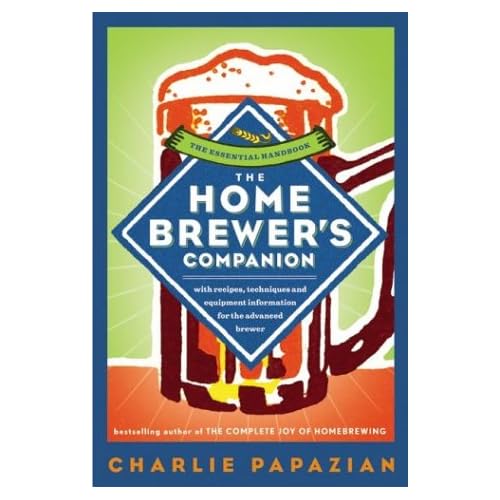
I started home brewing about four years ago. Although I don't do it as often as others, I have made eight or so successful batches of beer.  Before even trying it I read the Home Brewer's Companion front to back. I'm a nerd when it comes to understanding a technique.  I feel like I have to become fully involved in something in order to feel worthy of studying the subject  (I wish I felt this way about math in high school).

The batch that I just brewed is a Tripel.  This style of Belgian beer is known for its light characteristics and high alcohol content (somewhere around 9%).  I made it with an "all grain" mash of just malted barley.  Some tripels will use other grains to achieve unique characteristics.  The younger brother to the tripel is the dubbel.  This tends to be a bit darker in flavor and more caramel like.  I brewed a tripel but really I am shooting for a 2.5 if ya catch my drift.

The recipe I acquired called for clear candy sugar, which is nothing more than inverted sucrose (liquid sugar), cooked to the hard crack stage.  I took my sugar to a slight amber color to make my tripel a touch more body.  I also used some fresh cascade hops (used in pale ales) given to me by the friend of a friend of my wife's boss.  The rest was some saaz hop pellets (common in Czech style pilsners).

It's in the primary fermentation stage  at the moment for another few days, then I will rack it into the secondary tank for another 2 weeks before bottling.
___________________________________________________________________


Made some bread sticks the other night to go with my polenta and steak.  I used my tried and true ciabatta recipe and cut dough into strips before proofing them and baking them on the stone.  I plan on posting some more bread stuff soon, so stay tuned.
___________________________________________________________________


Ok, so this past week I felt it was necessary to train some of my future culinarians at school how to do some charcuterie (general term for sausages, hams, cured and smoked meats).  Now, these are high school kids and they seemed to be perplexed as to why one would go though the trouble to do all this. "Why spend all this time making your own when you can just go to the store and buy it..." one might say. I respond with the usual "It's for your education, you see..."  which leads to a bunch of rolled eyes and blank stares.  But I know they will remember how it's done the next time they pick up some cured products at the market and wonder what the hell is in it.  They appreciate the experience even though they don't tell me. 

I had them brine a pork loin to make Canadian bacon, which is really just ham.  Also, some kielbasa was created.  It was fun for some.  It was torture for others.  I use natural hog casings, which gross the kids out, but they will eat it anyway after the shock has subsided.  They stuffed them, and over the weekend I smoked them, along with the ham.  I love pork.

___________________________________________________________________

Defeater


                Make Do and Mend (me in the Trial shirt sharing a moment with James)
 
Lastly, something a bit off topic.  I am also musician (unprofessional) and music lover.  I play a few instruments and have had a few bands over the years.  I never toured or had a following of any sort, just played for fun, and still do when I have the time.  Occasionally, I get to go out and see some live music, hang out with some friends and meet new people.  These musical events are nothing similar to rock concerts or getting to see the NY Philharmonic.  The type of show I am talking about is unique all on its own.  I'm talking about punk and hardcore.  And ever since I become involved with punk rock and hardcore, I always felt that I had found somewhere I belong.  No religion, boy's club or back stage pass could ever replace it.

I have spent the past 10 years absolutely enamored the concept of loud aggressive music played by kids my own age and from my own state.  Bands from other states will play, and they get good reactions too, but the hometown heroes always get the biggest hugs.   Looking from the outside in, one might think that it is just a bunch of kids acting violent and crazy.  This is not the case.  When I can stand four inches from the face of a band and scream his lyrics back at him and know that we are sharing the exact same emotion simultaneously, I know that I have felt something that no one outside that room could ever possibly feel.  It is not at all a "celebrity/shock" factor.  It is something pure an unadulterated. This is why floor shows were created.

My subconscious mind is thinking... I read what you wrote, I listened and felt exactly what you all meant for me to feel through the vibrations racing out of the amplifiers.  We all just created a moment, an irreplaceable one that is our to hold....  I think sometimes about how this happens.  But, the long and short of it has to do with belonging. We all want to belong somewhere and be identified with a particular group.  This is mine.

Yeah, deep... I know.  But the truth is I know every other hardcore/punk kid has the same connection with at least one band.  I wait months for these shows to happen, and not all are as intense, but I do have memories of some great ones over the years, and some really bad ones. When I was a teenager I would go to shows a few times a month, just to see who ever.  Now, it's not as easy to get out, but when I do I make it count.  It keeps the youth in me.  When things in my life get a bit too serious, I know that a show is coming up soon and I can pretend for a few hours what it was like to be 16 again.  Thoughts of stress fleet away from my state of being and I can be friends with people I don't know for a while. CTHC, thank you.
___________________________________________________________________


So that was my week in a nutshell. Go cook something will ya!

11.07.2010

Shrimp & Grits


                  Shrimp & Grits Asian Style with Mat (mom) Chea's Chili Sauce

A Southern American classic dish that makes perfect sense.  Take a grain (corn) and simmer it with a flavorful liquid, add butter and sometimes cheese, saute some shrimp and bingo!  A filling and wonderfully tasty meal.  However, when I make it the classic way, I feel there is something left to be desired about it.  Maybe I suck at it or I'm just a flavor whore, but this dish needed some adjustment to spark my palate.

Grits are nothing more than the pulverized grain sifted off of the powdery flour resulting.  It's actually a Native American dish, but became synonymous with southern cooking and soul food over time. The same thing happened with corn bread.  White grits are from hominy (the corn grain soaked in an alkaline solution then dried and ground) and yellow grits, AKA polenta, we see a bit more often as corn meal.  The grains are dumped into a simmering liquid and constantly stirred until they have softened and absorbed all the liquid in the pot.

To make grits successfully you need to understand the ratio of water to liquid involved. This may vary depending on the brand of grits you buy or even if they are the "instant" type.  I suggest you read the package.  Too much water will take away any texture from the final dish leaving it gruel-like.  Even though this is really a porridge, the grains should have some grittyness to them after cooking.  Too little water and the grits will seize up and become dense unappetizing wallpaper paste. Just use a measuring cup, that's all.

The liquid that goes into the grits needs to taste good.  Now, if you're making grits for breakfast I would assume that some sugar is involved and shrimp are not.  So for that, water or milk is generally used.  On the other hand, making a punch-in-the-face of flavor version for lunch or dinner, you're going to need some stock.  A dark stock is preferred.  Let's say veal?  Sure you have some stowed away in the freezer right? Ok, maybe you don't.  Possibly you think it is too hard to put together a veal stock for just a simple dish, so use some swanson broth...... NO.  I am begging you, please no.... If there is a culinary god watching over us as we cook, then strike down upon the who uses canned beef water.  If you at all care about how your food tastes, then spend a few minutes a month putting some stock together and storing it in the freezer for later use.  I'll put up the recipes for you to see.  It is simple, simple, simple and will taste 400% better than that processed garbage.

Ok, for flavoring, I went an Asian inspired route.  So, I tend to frequent this place in NYC called Momofuku Noodle bar.  It's a happenin' joint full of young urban folk slurping $16 bowls of noodles.  The dude, David Chang, has a few other places in the city and has become a bit of a phenomenon with the idea of taking American dishes and Asiafying them as well as reinterpreting classic Asian foods for popular sale.  Dude's a genius.  In the book that he put out a year ago he put in his recipe for his version of shrimp and grits.  I made it, I loved it, it was fucking awesome.  It was also way, way more labor intensive than my version.  I'm all for putting in the time to make a great dish, but I made my own twist and came out with a even tastier version than his!  Ha, win!

I used veal stock, soy sauce, white miso paste and butter.  I garnished it with some parsley and chili sauce.  The shrimp? Just a quick saute and deglazed the pan with white wine.  20 minutes start to finish. The veal stock is key here.  If you make a brown chicken stock or a pork stock, that will do.  I fully suggest using a properly home made veal stock.

You'll love this dish.  It is wicked filling too.  Perfect for winter.  I ate it while drinking an ice cold triple, delicious.  Feel free to add some bacon to this.

10.30.2010

Loose granola = better option than bars

   
                  Fiber Bomb Granola - flax seeds, wheat bran, wheat germ, dried fruits...

Despite my love for pork products and fattening foods, I do consider myself a healthy and lean (for the most part) individual.  The foods I really love I do eat sparingly and not often.  I made a deal with my wife that on Saturdays I would not think to much about what I am eating, just enjoy.  I said, "That seems ok I guess....."  I still count the calories to my bacon sandwiches at 11:00 PM tho, but she doesn't know that, ha!

In moderation they say, right?  Who is "they" anyway?.... But "they" happen to be right, in my eyes at least.  I don't feel the need to pig out on two hamburgers and a large side of fries.  The one is fine.  I pace myself.  I spread out my meals throughout the day.  My schedule seems to help with it too. Not all of you may have that luxury.

I have a filling breakfast of around 500-600 calories, usually the granola recipe above or super healthful cereal covered with low fat milk, a piece of fruit and a thermos full of coffee.  I eat a big bowl of this stuff.  I'm usually a gassy for the next 8 hours, but like all of us, we find places to fart several times a day where no one is around.  Either that or we just blame it on the dog.

I have a piece of fruit for a snack later in the day, but I split up my lunch into two parts: half at 11:00 and the other half at 3:00 (I'm a teacher so I eat lunch early).  It really only ends up being a few bites, but it gets me though the mid-day.   I might snack on a few more things in the late afternoon, but this is where I eat more calories. Usually around 800-1,000.  You would be surprised that in a 6 hours period how good you feel once you get used to the idea of not packing in 1,300 calories at Burger King in a 15 minute period.  My lunches are not just veggies and rice cakes.  I make stews, rice dishes, and even leftovers from the night before.  I am mindful of the fats I use to cook with when preparing them the day before.  I think if you constantly are buying your lunches at a deli or something, you really have no idea how much fat was used to prepare your sandwich or pasta salad. (Don't ask the busy dude at the counter either, we hate that, sorry:)... )  Just be mindful, think a little bit.

Dinner is tricky for me and usually late.  I work 6 days a week and 12 - 14 hours a day.  For some of you this may be the case as well.  I try not to eat much when I come home.  I like to eat light, a salad or some yogurt and fruit.  I make sure I don't follow the impulses to fry up some bacon and make a huge bowl of risotto.  I know I could put it down, easily. However, it is better to just keep it light, around 400-500 calories. 

What about exercise?  Yeah, that too.  Now, I am not even close to the health freak type, I just think eating well is what makes living, um... possible.  I do think that exercising, in any way, shape, or form, is vital to being a healthy human being.  About 2 months ago I noticed that my jeans were getting a bit too tight in the butt region and some of my belly fat was spilling out of my pants.  So I needed to knock off a few pounds by stepping up my exercise.  So, I started running.  I had trouble at first.  1/2 mile was all I could bare.  I wanted to get better at it, so I just kept at it.  I'm comfortable doing 3 miles now, just fine.  I learned some ab work out routines too.  I'm still a bit chubby, but I know my body thanks me every time I pick up an extra vigorous activity or two.

I was always jealous of the others that could eat whatever they want. Drink a case of beer and eat a bucket of fried chicken with out gaining a pound.  They are probably robots created by evil scientists to fuck with the rest of the human world.  That, and the dudes on the covers of "Men's Health" with their bulging gigantic genitalia and shiny pecs.  Fuck um', I bet they all have STDs and cry themselves to sleep anyway.

To sum up the post:  Eat well, eat often (but not a lot), exercise when you can, don't trick yourself with processed foods thinking they are better, cause they are not.  Keep away from corn syrup or the high fructose stuff.  Use spray fats instead of the oil "glug".  Desserts were designed for those 150 lb robots that don't gain weight, but we eat them anyway, just have one slice of cake at little frankie's birthday party , ok?

My Fiber Bomb Granola recipe is in the recipe section.  Its way lower in refined sugars (even though it's high in starch, it's good whole grain starch) than the granola bars.  Those use corn syrup and other crap to make them chewy.  Check out the nutrition facts for 1 1/2 cups of the stuff. The fat content is high too, but it's good fat!  Nut fat!  That's the fat we are meant to eat.  Do you see the squirrel community having an obesity epidemic?  No.  I didn't think so.

10.17.2010

Stew it simple, stupid


Pork stew, poblano peppers, oven roasted tomatoes, jasmine rice and lime

 It's cold here in CT, so stew/braising time is upon us.  Cold salads aren't hitting the spot anymore.  We need meat coated in warm, thickened liquids. Flavorful liquids.  Ones that were flavored with meat before being stewed with meat.  This dish is satisfying beyond belief. First, because it tastes wicked good. Second, because it is ridiculously easy to make. Stewing is not a hard culinary task.  In fact, its easy enough that by just watching someone do it or sifting though a few recipes you could get it down on your first or second try. The important steps I will highlight now for you,
 
*aaahemm*

Use Home Made Stock
That swanson garbage will not do.  Bullion cubes are for barnyard salt-licks. I understand that it seems like a lot to go though, especially since I am claiming that it is a simple recipe, but believe me when I tell you that it is want makes this whole dish taste so good.  If you don't have the time or just want to be really lazy, I'd rather see you use tap water than canned chicken flavored water, ewwguhhhh...

Sear the meat! 
Ok, physics 101.  Cold Meat + Moderately Heated Panno sear.  The pan needs to be hot, no question about that.  Yes, grease will splatter.  Yes some smoke in your kitchen will accumulate (disable your smoke detectors for a few minutes maybe?) and yes you should use extra caution.  But the truth of the matter is that skipping this step or not doing a good job at it will result in a bland stew.  When meat is seared it changes the flavor of the meat.  It is called a maillard reaction.  Without getting all sciencey on ya, it kinda like carmelization, except when protein is involved, the compounds that make up the meat's flavor change on a molecular level and.... ok, you get the picture:  Sear on high heat and be careful not to burn the pan.

Using the oven to stew
All that brown stuff that sticks to the pan is flavor right?  So to release that flavor, we deglaze the pan after the veggies have been sauteed.  The french call is fond.  I call it tasty.  With that said, you should also stew this thing in the oven instead of on the stove top.  Sure, you can do it on the burner, but oven stewing with the lid off will increase the flavor.  In the biz we call is top-fond.  You will notice that a layer of dark brown skin will form on top of the stew while it cooks.  This is good!  Every time you go in to stir, you are working that layer of browned stuff into the liquid.  This is formed from the gelatin that exits the meat as it cooks (formerly known as collagen) It gets gooey and sticks to the spoon, but work it in, you'll be happy you did.

Recipe is in the recipes section.  Do It!

10.10.2010

Maple apple tart with fresh thyme


                           The tart fresh out of the oven and plated with some 
                                         whipped cream and maple syrup

My Sunday baking project.  I had apples, I had maple syrup, I had fresh thyme... so I came up with this.  I like using fresh herbs in desserts once in a while.  You can up the maple flavor by sprinkling maple sugar on top before baking. 

I used a basic pate brisee dough, apples and some staples in the cabinet/fridge 
This one's a keeper! Check it out in the recipe section!

10.09.2010

Wicked crispy/herby fried chicken


                    Fried Chicken, Biscuits, Turnip Greens, Sweet Chili Sauce


There are only a few things created on this planet that will satisfy every soul equally.  One of those things is fried chicken.  If you're a vegan, you know that at least the smell of fried chicken is enough to awaken the senses.  Now, fried chicken's accessibility to the palates of Americans has been only increasing over the years by chains like KFC, Popeye's, and local places that have a few shops across any given city. Some places can do it right, others cannot.  As you might have noticed by now, I can't stand fast food.

Put aside ethical reasons and their demand for cheap, questionably raised/processed meat products, the taste just isn't that good. Even as a obese teenager (maybe I'll post about that at a later date) I disliked the taste of KFC chicken.  I think their seven secret spice mixture is all off, whatever it is. 

I took it upon myself to just use some basic fried chicken know-how and come up with a solid recipe.  Not reinventing the wheel or anything, just doing it right. 

First, the brine.  Putting meat into brines is a great way to increase juiciness and salt level.  The way a brine works is through osmosis.  A salt solution surrounds the meat and works its way in, carrying along moisture with it.  It can increase the weight of the meat by more than 10% in the form of water, which should be flavored with spices and herbs.  So, why not do this more often?  Yeah, it is more work, but for a special occasion like fried chicken, do the extra work will ya?

As for tenderness and tang, go for buttermilk.  You can skip this step if you dislike it, which will result in a tasty product anyway.  However, it just works, so try it.

Flavor the dredge, so add spices/herbs and salt to the flour. Even though the chicken is brined, the crust needs to be seasoned too.  Double dredging will increase crustiness, which is what makes fried chicken so alluring, duh.

I used plenty of herbs throughout, which increase in flavor after frying.  The use of cardamon too is an interesting attribute that plays off the herbs.

The recipe is in the "recipe" section.  I think you guys will like it. Get to it dudes and feel free to share your success.

10.01.2010

Pizza is better than everything

                          Leek, Watercress, Fresh Mozzarella and Dijon Sauce

I am a pizza snob, and I have come to terms with it. I can't stand cardboard crust or doughy puff balls that roll out of conveyor-belt ovens. I thinks it's a travesty. Pizza was created to fulfill the needs of those deprived of crunchy things, melty/bubbly things, and just fucking tasty things in general. This wonderfully thin in the middle and burnt to bitterness on the crust creation has become one of our nations favorite foods, and rightfully so.

But WTF happened to it? The unappetizing starch bombs that occupy the market seem to never die down. I don't get it. Why the hell are people into this stuff? then I thought, "Well, I'll give them the benefit of the doubt. Maybe they just think that this is pizza and it's is as good as it gets."

Then later I thought, "Fuck no, people are smarter than that."

So, Where is this real pizza I speak of? In New Haven, CT. In NYC. In some random small town in Iowa where the dude wants to make it right, anywhere but fucking Pizza Hut.

Seriously, why make something inferior for your customers. Oh wait, I know. It's because marketing has shown that people like it. Fuck that. When dominoes ditches the big boy toaster ovens, I'll give it another shot.

So I'll help you guys out. My "live by, die by" pizza formula is in the recipe section. Get a digital scale.

9.27.2010

"How to Debone a Chicken"

Ok, here it is. Learn it dudes! This is a very easy way to breakdown a chicken. I tried to make it easy to see what I'm doing and somewhat more interesting to watch than others. Enjoy. Check out the recipes.


9.25.2010

Pho Boston fa real

A spicy version of the usual pho. The name for it was in Vietnamese and I wouldn't even try to remember it, so let's call it spicy pho with peanuts.

I had this wonderful dish at Pho Boston in West Hartford, CT. Great things about this include: thinly sliced beef, cooked by just pouring the hot broth over the top, peanuts, perfectly cooked rice noodles, a huge bowl with too much broth, and fresh basil.

Now, go get some!
Published with Blogger-droid v1.6.0

9.24.2010

Apple pickin' and cider sniffin'

The bounty of apples sitting in my kitchen right now are calling me, "Make something tasty out of my succulent, sweet and crunchy flesh." Well, that's what they would say if they could talk, at least.  So I made some apple cider.  Here's the recipe:


Ingredients

-       Apples

Method of Preparation

1.) Put in blender/food processor/ juicer
2.) Strain

Dude, seriously, that's it.  I don't know why they just don't call it apple juice... cider is juiced apples.  It made some wicked tasty cocktails (heat up with mulling spices, shot of rum - drink)

I'm planning the new video right now (chicken deboning will be up soon for viewing via youtube) A Fall Treat: Butternut Squash Soup, stay tuned.


General thoughts I would like to share...

-The smell of bacon is more than enough reason to fall in love
-Cheez-its happen to be made with real cheese (cool?)
-Stewed pork is better than stewed chicken
-Kiwi knives are the greatest knives ever stamped out of a machine Check um out!
-Ground flax seed made it into my bread dough today, not sure what is going to happen until I bake it
-Top Chef Allstars sounds like it will be awesome
-I f***ing hate skunks. Really, I do.  I don't understand how they contribute at all to our world. What other animal prey on these things?  Man, do I hate skunks.  If I had to weigh out which I hate more: Ugg boots or skunks, I would pick skunks, because I really hate ugg boots a lot too.

9.19.2010

Filmed first video yesterday


So yesterday, with the help of my tech savvy sister in-law, we filmed the first of many cooking instructional:  Deboning a chicken.  The editing is under way this week, so I hope to have it up in a few days. 
The videos are purposefully not boring and monotone. After searching youtube I found mostly single shot material of “Plain Jane” hacking up sunday dinner. So, in my natural way, as I do in the classroom, I incorporate some comedy into it so peoples' eyes don’t roll into their heads out of boredom. Screen shot above.

General thoughts I would like to share...
-Crab apples taste like garbage
-Why do shows like “Real House Wives of....” Exist?
-The smell of fall reminds me of college
-The smell of fall gives me nose bleeds
-The smell of fall reminds me of the cost of allergy meds
-Fresh pasta trumps whole wheat pasta any day